Drain Survey for Insurance Claims: Manchester Guide

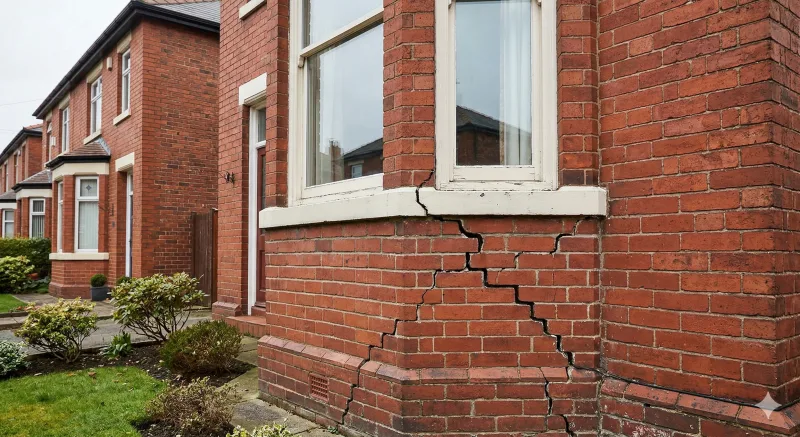
When a drainage problem causes water damage, flooding, or structural movement in your Manchester property, your first instinct might be to claim on your home insurance. But before an insurer will pay out, they often require evidence — and that evidence frequently comes in the form of a professional drain survey.
This guide explains when and why insurers require drain surveys, what they need to see in the report, and how to use the survey evidence to support your claim.
When Insurers Require Drain Surveys
Insurers do not automatically require a drain survey for every claim. However, they will typically insist on one in these situations:
Subsidence or Ground Movement Claims
If your property is showing signs of subsidence — cracks in walls, sloping floors, sticking doors — and the cause is suspected to be a leaking or failed drain, the insurer will require a drain survey to confirm this.
A leaking drain that saturates the soil beneath your house can cause ground settlement and structural movement. It is one of the more common causes of subsidence in Manchester, especially in older terraced properties with aging drains.
The surveyor’s task is to identify whether the drainage system is leaking, where the leak is located, and whether it is consistent with the pattern of subsidence being claimed. A collapsed drain under a specific area of the property, for example, can correlate with cracking appearing above that location.
Flooding or Water Ingress Claims
If water has entered your property and you are claiming for water damage, the insurer will want to understand the source. If the suspected cause is a leaking drain rather than heavy rain or a burst pipe, a drain survey is needed.
A CCTV drain survey shows the condition of your drainage system and can identify cracks, fractured pipes, or displaced joints that are allowing water to escape. Video footage from the survey provides clear evidence of the leak.
Insurers are cautious about drainage claims because they want to distinguish between:
- A sudden, specific event (a drain collapses due to ground movement, causing flooding) — this is typically covered.
- Progressive deterioration (a drain has been slowly leaking for years, gradually saturating the soil) — this may not be covered if the policy terms exclude “gradual leaks” or “wear and tear.”
A drain survey with a date stamp helps establish the timeline and severity of the problem.
Escape of Water Claims
If water is escaping from your drainage system into the ground near your property, and you are making a claim for the cost of investigation and repair, an insurer will want evidence that an escape has actually occurred.
A drain survey with visible evidence of water infiltration (infiltration is recorded as water seeping into the pipe through defects) or evidence of external water discharge provides this documentation.
What Insurers Need to See in the Report
A professional drain survey report should include information that satisfies insurer requirements:
HD Video Footage with Date and Time Stamps
The video must be in high definition and clearly dated. This provides visual evidence of the condition of the drains and when the condition was assessed.
Insurers use the footage to verify that the defects claimed are genuine and to assess their severity. Poor-quality footage or undated footage is less convincing.
Location and Measurement Data
The report should clearly identify where defects are located — using distance measurements from entry points (e.g., “4.2 metres from MH1”). This allows correlation with surface damage. If a crack is visible above ground at a specific location, the drain survey should be able to show a defect in the drainage directly beneath that location.
Condition Grading Using Industry Standards
The report should use the WRc (Water Research Centre) standardised grading system (Grade 1–5) to assess each defect. Grading provides an objective assessment that insurers understand.
A surveyor’s opinion that “the drain looks quite bad” carries less weight than a formal Grade 4 assessment. Insurance assessors and engineers trained in the grading system can immediately understand what Grade 4 means.
Annotated Images of Key Defects
Still images captured from the video and marked up to show exactly what the defect is. For a subsidence claim, images of a collapsed section or a severely cracked pipe are powerful evidence.
Drainage Plan
A plan showing the layout of your drainage system and the location of identified defects. This allows correlation with surface damage — if subsidence cracks are appearing in a specific area of the house, the drainage plan can show whether a significant defect is present directly beneath that area.
Plain-English Interpretation
The report should not be purely technical. It should include explanations that a non-specialist can understand — what the defects mean, whether they are leaking, and what repair would be needed.
Insurers often have loss adjusters or claims handlers who are not drainage specialists. A report that combines technical detail with clear explanations is more persuasive.
Types of Claims Drain Surveys Support
Subsidence Claims
This is the most common use of drain surveys in support of insurance claims. If your property is suffering subsidence and you suspect a failing drain is the cause, a survey can provide the evidence.
The argument is: the drain is cracked/collapsed, water is leaking out, the soil is saturated and losing strength, the foundation is settling. The visual evidence from the survey supports this chain of causation.
Timing matters here. If the survey shows the drain failure developed recently, but your subsidence cracks appeared years ago, the drain may not be the cause of the subsidence (though it might be accelerating an existing problem). A drain survey should ideally be combined with a structural engineer’s assessment of the subsidence pattern to make a strong claim.
Flooding Claims
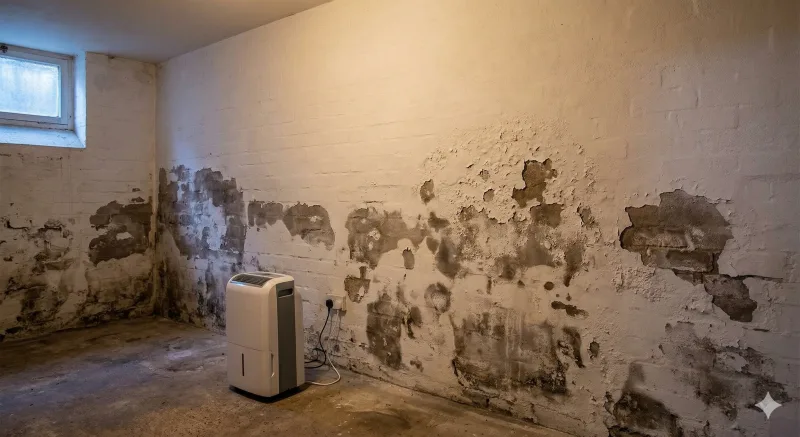
If water has entered your property and caused damage, and you believe the source is the drainage system (not the roof, not a burst pipe, but the external drains), a survey identifying a defect in the drainage is key evidence.
For example, if water has appeared in your basement and you suspect groundwater is entering through cracked drains, a survey showing cracked pipes with visible water infiltration supports the claim.
Escape of Water Claims
Some policies cover “escape of water” — damage caused by water escaping from pipes or drainage systems. A survey showing water leaking from a defective drain supports a claim under this cover.
Building a Strong Claim

If you need to claim on your insurance for a drainage-related problem, here is the practical approach:
Step 1: Report the Damage to Your Insurer
Report the damage (subsidence cracks, water ingress, damp) to your insurer as soon as you notice it. Insurers expect prompt notification. Delaying the report and then claiming could result in a rejection on the grounds of late notification.
Provide the insurer with:
- Photographs of the damage (cracks, damp, discoloration).
- A description of what you have noticed.
- An indication that you suspect it may be drainage-related.
Step 2: Commission a Professional Drain Survey
Once your insurer is aware of the claim, ask them if they want you to commission a drain survey, or if they prefer to instruct their own surveyor.
Some insurers will:
- Ask you to obtain your own survey and submit it as evidence.
- Send their own loss adjuster to commission a survey.
- Require the survey to be carried out by a surveyor from their approved list.
Clarify the process with your insurer before spending money.
If you are commissioning the survey yourself, ensure it is carried out by a professional drainage surveying company — not a general plumber. The report needs to meet professional standards and use industry-standard grading. A report from a respected drainage specialist carries far more weight with an insurer than one from someone with limited drainage experience.
Step 3: Obtain Repair Quotations
Once you have the survey, obtain quotations from drainage contractors for the repairs identified. The repair cost is part of your claim.
Insurers often require multiple quotes so they can verify that the repair costs quoted are reasonable. Provide 2–3 quotes to your insurer.
Step 4: Provide All Evidence to the Insurer
Submit to your insurer:
- The drain survey report (with video footage if they want it).
- Photographs of surface damage (subsidence cracks, damp, etc.).
- Repair quotations.
- Any other relevant evidence (structural engineer’s report if subsidence is involved, building control records, etc.).
Step 5: Claims Assessment and Decision
The insurer’s loss adjuster will review the evidence and decide whether to:
- Accept the claim and authorize repairs/payment.
- Accept a partial claim (sometimes the insurer may believe the drainage contributed to the problem but other factors were also involved).
- Reject the claim (if the policy terms exclude the type of damage or if the cause is disputed).
Things That Can Weaken Your Claim
Be aware of these factors that can cause an insurer to reject or reduce a claim:
Delay in Reporting
If you have noticed subsidence cracks or damp for months (or years) and only now claimed, the insurer may argue that you have failed to mitigate loss or that the damage is not a covered event (perhaps it is wear and tear, not a sudden failure).
Pre-Existing Damage
If the drain has been failing for a long time (the survey shows advanced deterioration), the insurer may argue that the damage to the house is pre-existing and not a covered claim.
Lack of Maintenance
If your policy has exclusions for “wear and tear” or “lack of maintenance,” and the drainage failure is due to age and lack of upkeep, the insurer may reject the claim. Modern policies often exclude claims arising from gradual deterioration.
Misuse or Negligence
If the problem is caused by something you did (for example, you buried a drain under a heavy patio, causing it to crack; or you ignored warning signs of blockage), the insurer may refuse to pay.
Multiple Contributing Factors
If subsidence is caused by a combination of factors (leaking drain plus poor soil stability, for example), the insurer may argue that the drainage failure is only partially responsible and reduce the claim accordingly.
Timing: Survey Before or After Claim?
The best approach is to commission a survey as soon as you suspect a drainage problem, before making a claim if possible. This shows you are being diligent and investigating the issue promptly.
However, do not delay reporting the damage to your insurer. Report the damage (the subsidence cracks or damp) immediately, then follow up with a survey. Insurers are more likely to accept a claim if you have reported it promptly, even if the investigation takes a few weeks.
Manchester-Specific Considerations
Manchester’s older housing stock and the prevalence of aging drains mean drainage-related claims are not uncommon:
- Victorian properties with clay pipes frequently have joint displacement or fracturing that causes slow leaks leading to subsidence over time.
- Pitch fibre drains in post-war housing (Wythenshawe, Langley) can collapse or delaminate, causing water infiltration.
- Root ingress in south Manchester (Didsbury, Chorlton) can cause localized damage that contributes to subsidence.
Insurers in Manchester are generally familiar with drainage-related claims. They understand that the housing stock is aging and drainage failures are a reality. A professional survey report with clear evidence is usually sufficient to substantiate a claim.
The Bottom Line
A professional drain survey report is powerful evidence for insurance claims. If you are making a claim for subsidence, flooding, or water damage and you suspect a failing drain is the cause, a detailed survey with video evidence, condition grading, and identified defects significantly strengthens your position.
Ensure the survey is carried out by a professional drainage specialist, ensure the report meets industry standards, and provide the insurer with complete documentation. This maximises your chances of a successful claim.
If you need a drain survey to support an insurance claim in Manchester, we provide detailed professional reports that meet insurer standards. Get in touch — we can often arrange surveys quickly and provide reports with the evidence insurers need to assess your claim.
Need professional advice?
Our Manchester drainage engineers are happy to discuss your situation. Call us for a free, no-obligation chat.